
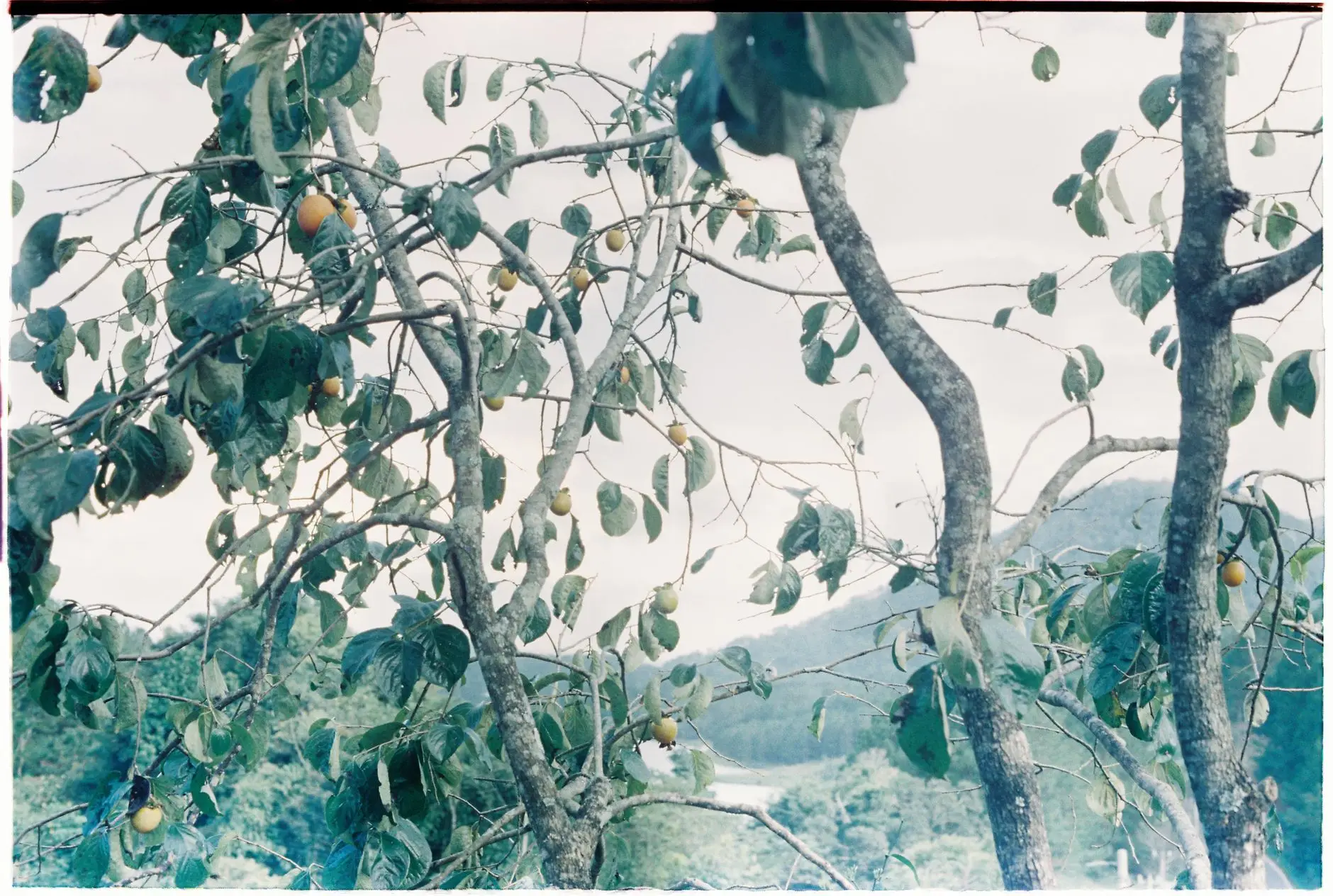
Ancient fruit rises as America’s latest snack favorite
Americans are increasingly turning to an ancient fruit as a go-to snack, fueling a wave of new products on store shelves and a surge of social media attention this year. What was once confined to specialty markets is showing up in mainstream supermarkets, coffee shops and packaged bars across the United States.
The fruit driving the trend is the date, a sweet fruit cultivated for millennia in the Middle East and North Africa. Retailers and foodmakers say demand has risen for whole dates, stuffed varieties and date-based products, as consumers seek convenient, nutrient-dense snacks with fewer added ingredients.
Background and history
Dates are one of the world’s oldest cultivated fruits, with evidence of harvesting and cultivation stretching back several thousand years in what is now Iraq, Iran and surrounding regions. They are mentioned in ancient texts and have long been a dietary staple in arid climates because of their high energy content and long shelf life.
Two varieties dominate commercial markets: Medjool, prized for its large size, soft texture and caramel-like flavor, and Deglet Noor, which is firmer and often used in baking and cooking. Date palms were introduced to parts of the United States in the 19th and 20th centuries, and today commercial production is concentrated in southern California and parts of Arizona.
Historically sold in bulk in markets that catered to immigrant communities, dates have gradually migrated into mainstream food culture. The current uptick builds on years of interest from natural foods buyers and a recent push by food brands to develop cleaner-label snacks.
Key facts, figures and stakeholders
Nutrition and uses: Dates are high in natural sugars, fiber and minerals such as potassium. They are commonly eaten whole, used as natural sweeteners in energy bars and smoothies, and filled with nuts, cheese or spreads for a ready-to-eat snack. Manufacturers also process dates into pastes and syrups for use in baking and packaged foods.
- Major varieties in U.S. commerce include Medjool and Deglet Noor.
- Retail offerings now range from single-ingredient packs of whole dates to date-based energy bars, chocolate-covered dates and date snacks combined with nuts and seeds.
- Supply comes from domestic growers in California and Arizona, as well as imports from North Africa, the Middle East and other date-producing countries.
Industry players and retailers note the shift in consumer behavior. Analysts say that health-conscious shoppers attracted to whole-food snacks are driving part of the growth, while social media and recipe trends have broadened appeal among younger consumers. Food companies are responding by launching new formats and marketing dates as an alternative to processed snacks.
Reactions
Growers in the U.S. say they are cautiously optimistic. Officials and producers noted that renewed interest could mean higher demand and more investment in orchards and processing facilities, but they also warned that palm trees take years to mature and that supply chains must adapt to changing tastes.
Retailers reported that date sales have risen in natural and conventional grocery channels. Analysts say that the trend is consistent with broader growth in the natural snacks category, which benefits from consumer interest in simple ingredient lists and perceived health benefits.
Social media has amplified the trend. Food influencers and home cooks have posted recipes for stuffed dates, date-based energy bites and desserts, increasing visibility and creating consumer curiosity. Restaurant chefs have also adopted dates in appetizers and charcuterie-style offerings, helping normalize the fruit beyond its traditional cultural contexts.
Broader implications and what happens next
The rising popularity of dates could reshape parts of the specialty produce and packaged snack markets. Producers and importers may expand planting and sourcing, and food manufacturers might accelerate product development centered on date ingredients.
There are practical constraints to watch. Date palms require warm conditions and significant water resources, raising questions about expansion in the face of drought and climate concerns in key growing regions. Labor needs for harvesting and processing are another factor that could affect costs and availability.
Policy and industry groups may weigh in on sustainability practices and supply chain resilience. Some growers and brands are exploring more water-efficient cultivation practices and traceability programs to reassure consumers about environmental and labor standards.
For consumers, the trend means wider availability and a greater variety of date-based snacks in local stores and online. For producers and retailers, the challenge will be balancing growth with responsible sourcing and supply stability.
Frequently Asked Questions
What exactly is a date?
A date is the fruit of the date palm tree, rich in natural sugars and fiber. Dates have been cultivated for thousands of years in arid regions and are available fresh or dried for long-term storage.
Why are dates becoming more popular as a snack now?
Dates fit current consumer demand for simple, ingredient-focused snacks and natural sweeteners. Social media recipes, new product launches and increased retail placement have also raised awareness and accessibility.
Are dates a healthy snack choice?
Dates provide fiber, minerals like potassium and quick energy from natural sugars, making them a nutritious option in moderation. Like any sweet food, portion control matters because dates are calorie-dense.
Where do U.S. dates come from?
U.S. commercial production is concentrated in southern California and parts of Arizona, while imports come from North Africa, the Middle East and other date-producing regions. Availability depends on seasonality and global supply chains.
How can I use dates beyond eating them plain?
Dates are versatile: they can be stuffed with nuts or cheese, blended into smoothies, used as a natural sweetener in baking, or formed into energy bars and pastes. Chefs also incorporate dates into savory dishes for a touch of sweetness.
Are there environmental concerns with greater date production?
Date palms require warm climates and irrigation, so expansion can raise questions about water use and sustainability in arid growing regions. Some growers are adopting more efficient irrigation and sustainability practices to address these concerns.
How should I store dates and how long do they last?
Dried dates store well at room temperature for several months in a sealed container and last longer when refrigerated. Fresh dates are more perishable and are best consumed within a few weeks or kept chilled.
As the snack trend gains steam, the date’s long history and adaptability have helped it move from niche markets into mainstream snack aisles. Whether the fruit becomes a lasting staple or a momentary craze will depend on supply-side adjustments, consumer tastes and how producers and retailers respond to environmental and labor concerns.
Featured image: Photo by Minol Song via Pexels
Disclaimer
The content published on APNews.ai is for informational purposes only. While we strive to ensure accuracy and reliability, we make no guarantees regarding the completeness or timeliness of the information presented. News and facts may change after publication, and APNews.ai is not responsible for any errors or omissions.
Views expressed in opinion pieces are those of the authors and do not necessarily reflect the position of APNews.ai. We are an independent news platform and are not affiliated with the Associated Press or any other news agency unless explicitly stated.
APNews.ai does not endorse any political party, organization, or product mentioned in our coverage. Readers are encouraged to verify information independently. We are not liable for any damages arising from reliance on content published on this platform.