U.S. Braces for Severe Wildfire Season Amid Drought
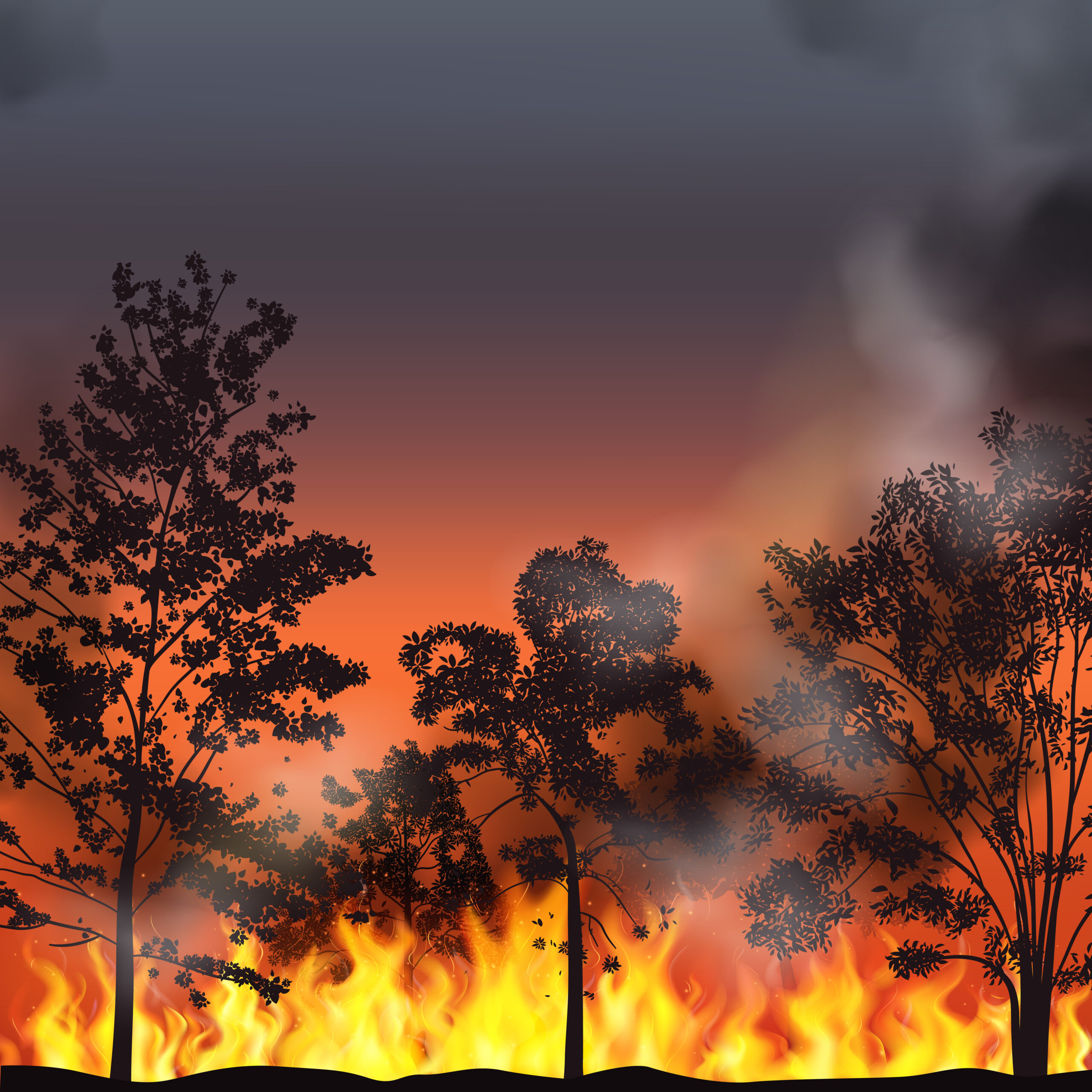
Federal and state agencies warned Monday that large swaths of the United States are at elevated risk for wildfires this season as lingering drought and above-average temperatures parch forests and grasslands across the West and parts of the Plains. Officials urged communities to prepare early, mobilizing crews, prepositioning equipment and warning residents about evacuation plans.
The U.S. National Interagency Fire Center reported expanded areas of “above normal” to “significant” fire potential for the coming months, citing reduced snowpack, dry fuels and forecasts of warmer-than-average conditions. Fire managers said the combination of long-term trends and immediate weather patterns could produce a season with more frequent and more severe blazes in some regions.
Background and history of the issue
Large wildfires have become more common and destructive in the United States over the past two decades. Scientists link part of that increase to rising temperatures and altered precipitation patterns that have lengthened fire seasons and dried vegetation. Land-use changes, including development in wildland-urban interfaces, have put more homes and infrastructure in harms way.
Agencies point to several recent benchmark seasons that reshaped planning and response. Fires in California, Oregon and other Western states have damaged communities, strained firefighting resources and raised questions about long-term forest management. In response, federal and state governments have expanded funding for wildfire suppression, adapted prescribed burn practices and invested in forest restoration projects.
Key facts, figures and stakeholders
Officials emphasize several factors that influence the risk and potential severity of wildfires.
- Fuel conditions – Low moisture in dead and live vegetation increases flammability across forests, shrublands and grasslands.
- Meteorology – Warm temperatures, low humidity and strong winds can accelerate fire spread and make containment more difficult.
- Snowpack and soil moisture – In many mountain regions, below-average snowpack leads to drier soils and earlier vegetation drying in spring.
- Human activity – Most wildfires are started by people, whether accidentally or intentionally, adding a prevention and enforcement dimension to response plans.
Key stakeholders include federal agencies such as the U.S. Forest Service and the Department of the Interior, state forestry and emergency management departments, local fire districts and tribal governments. Private utilities and transportation agencies are also central because of infrastructure risks and the role of power lines in igniting fires.
Response capabilities have been bolstered since prior severe seasons. Fire managers noted increases in aerial resources, improved interagency coordination and greater investment in community preparedness. Still, many jurisdictions face limits in personnel and equipment when multiple large fires occur simultaneously.
Reactions
Officials and analysts reacted to the outlook with a mix of precautionary measures and calls for long-term planning. Emergency managers urged residents in high-risk areas to create defensible space around homes, prepare evacuation kits and stay informed through local alert systems.
Analysts say the season highlights persistent challenges. One noted that addressing wildfire risk requires an integrated approach that combines suppression, land management, infrastructure hardening and community planning. Officials added that ongoing investments in prescribed burns and mechanical thinning can reduce fuel loads but take time to scale up.
Utility companies reported ongoing inspections and maintenance aimed at reducing fire starts, including vegetation management near power lines and the use of weather-based outage protocols. Some utilities also indicated they may use planned power shutoffs in extreme conditions to prevent equipment-related ignitions.
Broader implications and what happens next
Beyond immediate danger to life and property, severe wildfire seasons have broader consequences for public health, the economy and the environment. Smoke from large fires can travel long distances, degrading air quality in urban centers and affecting vulnerable populations, including children and people with respiratory conditions.
Economically, fires can disrupt tourism, agriculture and transportation, and they drive up government spending on suppression and recovery. There are long-term costs from rebuilding and from lost ecosystem services, such as water filtration by forested watersheds.
Policymakers are weighing several strategies to reduce future risk. These include increased funding for forest management, incentives for communities to adopt fire-resistant building codes, expanded emergency alert systems and investments in research on fire behavior under shifting climate conditions.
In the near term, agencies plan to continue monitoring conditions daily and adjusting resource allocations as needed. Officials said residents should treat alerts seriously and prepare to evacuate when directed. Longer term, stakeholders emphasized that reducing wildfire risk will require sustained funding and cooperation between federal, state, tribal and local entities.
Frequently Asked Questions
Why is this wildfire season expected to be severe?
Officials point to a combination of factors including reduced snowpack, persistent drought in parts of the West, warmer-than-average temperatures and low moisture in vegetation. Those conditions increase the likelihood that fires will ignite and spread rapidly once they start.
What areas are at highest risk?
Risk is elevated across many parts of the Western United States and some portions of the Plains where drought conditions persist. Specific high-risk zones vary by day and are driven by local weather, fuel conditions and topography, so residents should consult state and local fire agencies for up-to-date maps and warnings.
How can residents prepare before a fire threatens?
Experts recommend creating a defensible space around homes by clearing flammable vegetation, preparing a go-bag with essential documents and supplies, and developing an evacuation plan. Staying signed up for local alerts and following guidance from emergency managers are also key.
Will utility companies take steps to prevent fires?
Many utilities conduct vegetation management, inspect equipment and may implement preemptive power outages under extreme conditions to reduce the risk of equipment-related ignitions. Officials said these actions are part of larger mitigation strategies but can cause disruption during high-risk periods.
What health risks do wildfires pose beyond immediate danger?
Wildfire smoke can cause respiratory problems, aggravate heart and lung conditions, and increase health risks for older adults, children and people with preexisting illnesses. Public health officials advise limiting outdoor activity during heavy smoke and using air filtration when possible.
How do prescribed burns and forest management help?
Prescribed burns and mechanical thinning reduce accumulated fuels that can feed large, high-intensity fires. When carefully planned and executed, these treatments can lower fire severity and help restore more resilient forest structures, but they require funding, expertise and favorable weather windows.
As fire agencies move into the peak months of the season, officials stressed that preparedness and early action remain the best defenses. Interagency coordination, community readiness and proactive land management were cited as the most effective ways to reduce damage and protect lives.
Disclaimer
This blog is for informational and educational purposes only and does not constitute medical advice, diagnosis, or treatment. The content provided is based on general health information and research available as of the publication date. Individual health conditions vary, and what works for one person may not be appropriate for another.
Always consult with a qualified healthcare provider before starting any new treatment, including testosterone replacement therapy (TRT), making changes to existing treatments, or if you have questions about your specific health condition. Never disregard professional medical advice or delay seeking it because of information you read on this blog.
If you are experiencing a medical emergency, call 911 or your local emergency services immediately. The information on this website does not create a doctor-patient relationship and should not be used as a substitute for professional medical advice, diagnosis, or treatment.