
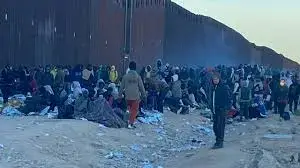
U.S. Sees Renewed Surge in Migrant Encounters at Border
U.S. border authorities reported a fresh uptick in migrant encounters in recent months, renewing debate over immigration policy, enforcement capacity and humanitarian response. Officials say the increase has stretched processing centers and prompted new coordination between federal agencies and border states.
Immigration advocates and state leaders offered contrasting accounts of the situation, while analysts pointed to economic pressures, violence and climate effects in migrants’ home countries as key drivers. Federal agencies have signaled plans to adjust operations as Congress considers legislative options.
Background and history of the issue
Migration across the U.S.-Mexico border has fluctuated for decades, influenced by economic conditions, regional instability and changes in U.S. policy. In recent years the pattern shifted from primarily single adults seeking work to larger numbers of families and unaccompanied children pursuing asylum or other forms of protection.
Policy tools used by administrations over time have included deportation practices, asylum processing rules, cooperative agreements with neighboring countries and emergency public health measures. Those policies have at times reduced flows temporarily but rarely eliminated the underlying incentives that lead people to migrate.
Humanitarian groups note that migratory pressure often follows spikes in violence, natural disasters and economic downturns. Analysts say long-term solutions require engagement with countries of origin as well as durable U.S. policy responses.
Key facts, figures, and stakeholders
Border security and immigration agencies are the first responders to the surge. U.S. Customs and Border Protection and Immigration and Customs Enforcement manage initial encounters, detentions and deportations, while the Department of Health and Human Services oversees care for unaccompanied children.
- Encounters and processing – Officials report rising encounters at points of entry and between ports of entry, which require additional staffing to process asylum claims and health screenings.
- Capacity strains – Shelters and temporary facilities have experienced overcrowding at times, prompting reliance on temporary sites and transfers across jurisdictions.
- Fiscal impact – Federal, state and local governments allocate billions annually for border operations, housing, legal services and medical care related to migration.
Other stakeholders include state and local governments that assume immediate humanitarian roles, non-governmental organizations that provide aid and legal assistance, foreign governments engaged in repatriation or border cooperation, and migrants who face perilous journeys and uncertain outcomes.
Reactions
Officials at the federal level described the situation as operationally challenging but manageable, noting steps to increase processing staff, expand shelter capacity and enhance cooperation with regional partners. Agency spokespeople emphasized efforts to speed up asylum hearings and deportation proceedings where applicable.
State and local leaders expressed concern about resources. Some governors called for additional federal assistance and clearer guidance on managing arrivals, while others advocated for tighter enforcement measures to deter irregular crossings.
Advocacy groups highlighted humanitarian needs, urging the government to prioritize safe reception, legal access and medical care for migrants. Organizations working on the ground said they were seeing more families and vulnerable individuals, including children who require specialized services.
Analysts said the surge reflects a combination of short-term and structural factors. Some cited seasonal migration patterns and changes in smuggling networks. Others emphasized the role of broader geopolitical developments and climate-related displacement in Central America and beyond.
Broader implications and what happens next
The renewed surge has several implications for policy, enforcement and international relations. If encounters remain elevated, the federal government may expand detention and shelter capacity or shift resources from other areas to manage caseloads.
Congress is under pressure to act, though prospects for comprehensive legislation remain uncertain. Possible measures include increased funding for border infrastructure, expedited asylum adjudication protocols and incentives for foreign governments to curb departures. Any legislative path is likely to involve contentious negotiations over legal standards and enforcement tools.
Diplomatic engagement with Mexico and Central American countries is also expected to be a focus. U.S. officials have used a range of cooperative mechanisms in the past – from migration compacts to targeted aid – to reduce irregular migration. Analysts say durable progress requires addressing root causes such as poverty, insecurity and climate shocks in countries of origin.
Humanitarian agencies warn that delays in policy adjustments will exacerbate suffering among migrants and strain municipal services in border communities. Conversely, abrupt shifts toward restrictive measures could lead to legal challenges and further complications in processing asylum seekers.
Frequently Asked Questions
What does an “encounter” at the border mean?
An encounter refers to any interaction between migrants and U.S. border officials, including apprehensions between ports of entry and processing at official crossings. It does not always result in removal, as outcomes vary based on asylum claims, criminal history and legal status.
Why are more people attempting to cross the border now?
Multiple factors drive migration, including economic hardship, violence, political instability and environmental events in migrants’ home countries. Seasonal labor demand and changes in smuggling networks can also affect the timing and volume of movements.
What happens to families and children who are encountered?
Families and unaccompanied children undergo screening and health checks. Unaccompanied minors are typically transferred to Department of Health and Human Services care, which places them with sponsors or in shelters while their immigration cases proceed.
How long does processing take for asylum seekers?
Processing times vary widely depending on case complexity, backlog in immigration courts and availability of legal counsel. Some cases can be resolved in months while others may take years due to appeals and crowded dockets.
What role can Congress play in addressing the surge?
Congress can pass legislation to fund border operations, change asylum procedures, provide foreign aid aimed at reducing migration drivers and reform immigration laws. Passage of major reforms requires bipartisan agreement, which has been difficult in recent years.
Are migrants at the border eligible for legal protections?
Many migrants are eligible to seek asylum or other forms of protection if they can demonstrate a credible fear of persecution or meet specific legal criteria. Eligibility is assessed on a case-by-case basis through established legal processes.
How are border communities affected by increased migration?
Border communities often face immediate demands on housing, medical services and public safety resources. Local governments may seek federal assistance to manage these pressures while community organizations provide humanitarian support.
As the situation evolves, officials say they will continue to adjust operations and seek cooperative solutions with regional partners. Observers note that durable improvement likely depends on both domestic policy changes and sustained investment in addressing the conditions that prompt people to migrate.
In the coming weeks federal agencies and Congress are expected to debate a mix of short-term measures and longer-term strategies. Stakeholders across the political spectrum say any effective response will require balancing enforcement with humanitarian obligations and international cooperation.
Disclaimer
This blog is for informational and educational purposes only and does not constitute medical advice, diagnosis, or treatment. The content provided is based on general health information and research available as of the publication date. Individual health conditions vary, and what works for one person may not be appropriate for another.
Always consult with a qualified healthcare provider before starting any new treatment, including testosterone replacement therapy (TRT), making changes to existing treatments, or if you have questions about your specific health condition. Never disregard professional medical advice or delay seeking it because of information you read on this blog.
If you are experiencing a medical emergency, call 911 or your local emergency services immediately. The information on this website does not create a doctor-patient relationship and should not be used as a substitute for professional medical advice, diagnosis, or treatment.