
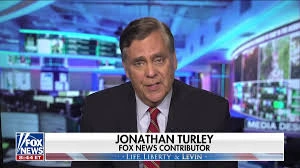
Turley Criticizes Democrats’ Push to Oust Hegseth
AI SUMMARY · SYNTHESIZED FROM 3 SOURCES: Fox News ↗ Reuters ↗ BBC ↗
WASHINGTON — Constitutional scholar Jonathan Turley warned Thursday that Democratic efforts to target a conservative media figure risk turning accountability into a partisan spectacle, after several lawmakers publicly urged authorities to examine the role of Fox News host Pete Hegseth on a federal advisory body.
Turley, a longtime commentator on impeachment and constitutional law, said the recent campaign by House Democrats to seek the removal of Hegseth from an advisory panel threatens to blur the line between legitimate oversight and political theater. The comments come amid heightened partisan disputes over the boundaries of congressional power and the appropriate response to public commentary by prominent media personalities.
Background and history of the issue
Pete Hegseth is a Fox News host and former military officer who has also served on federal and state advisory panels related to veterans and public policy. In recent weeks, several House Democrats called for a review of Hegseth’s role on a federal advisory committee, citing statements they said were at odds with the committee’s mission.
The request prompted a wider debate about whether congressional pressure on non-elected media figures is a proper use of legislative authority. Historically, Congress has limited formal removal powers to federal officers and has used censure, oversight hearings, and legislation as tools to challenge public officials. Efforts to press for the removal of private citizens or journalists are rarer and often draw First Amendment concerns.
Key facts, figures, and stakeholders
What happened: A group of House Democrats requested that the relevant agency review Hegseth’s appointment to a federal advisory committee and consider steps that could lead to removal if officials find cause.
Who is involved:
- Pete Hegseth – Fox News host and committee member with previous public service experience.
- Jonathan Turley – constitutional law professor and commentator, who publicly criticized the congressional push.
- House Democrats – several members who initiated the review request and accused Hegseth of conduct inconsistent with the advisory group’s mission.
- Relevant federal agency – responsible for appointing and managing advisory committee membership and for conducting the review.
Legal and procedural context: Federal advisory committees are governed by the Federal Advisory Committee Act and are typically populated by a mix of government officials and private experts. Agencies retain discretion over appointments and can remove members for cause or reorganize panels, but congressional letters and resolutions can increase public pressure and prompt administrative action.
Reactions
Supporters of the review said the public has a right to expect advisory panels to be staffed by individuals who reflect the mission and integrity of the advisory body. They argued the agency should assess whether Hegseth’s public commentary creates conflicts with his responsibilities.
Republican lawmakers and conservative media allies pushed back, saying the move amounts to an attempt to punish dissenting viewpoints and to chill free speech. They framed the effort as politically motivated and said agencies should resist pressure to remove private citizens based on partisan disagreement.
Analysts noted that Turley’s remarks reflect a broader debate about politicization of institutions. Legal experts said the key legal question will be whether agency rules or committee charters provide clear cause for removal and whether procedural safeguards are followed if the agency acts.
One constitutional scholar not involved in the matter said officials must balance two imperatives: protecting institutional integrity and avoiding the appearance that appointments are rescinded for partisan reasons. “If agencies respond to congressional letters without a clear, documented basis in law or policy, it feeds perceptions of vendetta politics,” the scholar added.
Broader implications and what happens next
The dispute raises a number of questions about how political pressure can reshape oversight and appointments. Observers pointed to several potential outcomes:
- The agency could conclude the review without action, leaving Hegseth in place and defusing the controversy.
- The agency could reassign or remove Hegseth if it finds a legitimate conflict with committee duties, which could prompt legal challenges.
- Congress could escalate with additional letters, hearings, or nonbinding resolutions that increase public scrutiny but do not directly force removal.
Legal experts said a removal that is not grounded in established cause could lead to litigation based on due process or First Amendment claims. Litigation could focus on whether advisory committee members who are private citizens enjoy protections against removal based on political viewpoints.
There are also political stakes. Democrats argued the request was necessary to preserve the advisory body’s credibility. Republicans said the campaign suggested a willingness by one party to weaponize oversight for partisan ends. Some analysts warned that repeated use of high-profile removal campaigns could erode public trust in policy institutions and discourage experts from serving on advisory bodies.
Turley emphasized those concerns in his public remarks, urging restraint and adherence to legal norms. He said that while officials have legitimate tools to hold advisers accountable, converting oversight into a public spectacle can undermine the rule of law and democratic institutions.
Frequently Asked Questions
Who is Jonathan Turley?
Jonathan Turley is a constitutional law professor and prominent commentator on legal and impeachment matters. He has frequently offered analyses of congressional procedures and constitutional questions in media appearances and testified before Congress on legal issues.
What prompted the push to review Pete Hegseth’s advisory role?
House Democrats asked the relevant agency to review Hegseth’s appointment after raising concerns that his public commentary conflicted with the mission of the advisory committee. The request cited statements that lawmakers said merited closer examination by the agency.
Can Congress force the removal of an advisory committee member?
Congress does not directly remove advisory committee members in most cases. It can write laws, hold hearings, and pressure agencies through letters and resolutions. Agencies generally have the authority to appoint and remove advisory members under federal rules, but must follow applicable procedures.
What legal protections do advisory committee members have?
Protections depend on the nature of the appointment and the governing statutes or committee charter. Private citizens serving in advisory roles may have some due process protections, and disputes over removal can result in legal challenges, particularly when First Amendment issues are raised.
What are the broader concerns about politicizing advisory bodies?
Experts say politicizing advisory appointments can deter qualified individuals from serving, harm institutional credibility, and create perceptions that policy advice is subject to partisan control rather than expertise. Maintaining a clear separation between partisan contests and administrative decision making is viewed as important for public trust.
What could happen next in this specific case?
The agency could complete its review and take no action, reassign or remove the member if it finds a legitimate basis, or face lawsuits if removal occurs. Congress could also pursue additional oversight steps, while public debate over the matter may continue.
As the agency examines the matter, officials and observers said the outcome will hinge on whether there is a documented conflict with the advisory body’s charter and whether procedures for review are followed. The controversy underscores ongoing tensions over the role of media figures in public service and the limits of congressional influence over non-elected advisers.
Featured image: Photo by cottonbro studio via Pexels
Disclaimer
The content published on APNews.ai is for informational purposes only. While we strive to ensure accuracy and reliability, we make no guarantees regarding the completeness or timeliness of the information presented. News and facts may change after publication, and APNews.ai is not responsible for any errors or omissions.
Views expressed in opinion pieces are those of the authors and do not necessarily reflect the position of APNews.ai. We are an independent news platform and are not affiliated with the Associated Press or any other news agency unless explicitly stated.
APNews.ai does not endorse any political party, organization, or product mentioned in our coverage. Readers are encouraged to verify information independently. We are not liable for any damages arising from reliance on content published on this platform.