NJ Transit defends $150 World Cup fares as governor urges FIFA help
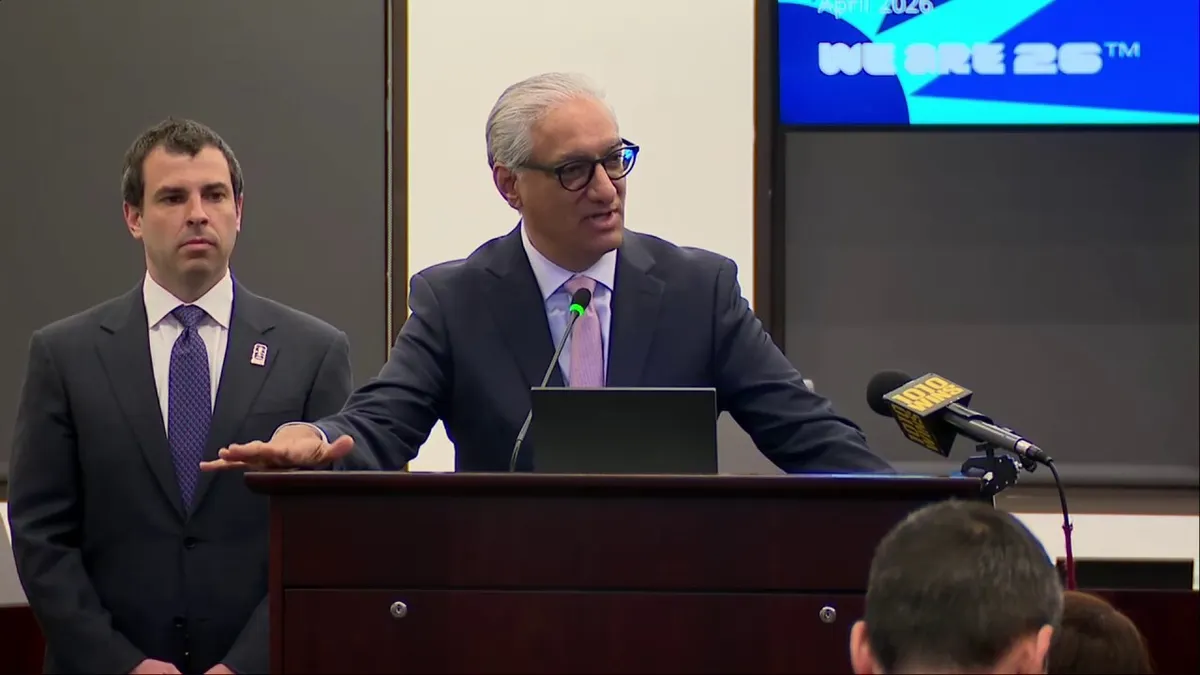
NJ Transit on Tuesday defended its decision to charge up to $150 for special train service tied to 2026 World Cup matches, saying the higher fares reflect extraordinary operational and security costs tied to large, single-day events. The explanation came as New Jersey Gov. Phil Murphy renewed calls for FIFA and tournament organizers to offset the expense for fans who will rely on mass transit to reach match sites.
The agency said the premium pricing applies to limited-capacity premium trains scheduled for match days and is separate from regular fares. State and transit officials are negotiating event plans as municipalities and law enforcement finalize security and crowd-management details for matches that will be played in the New York metropolitan area.
Background and history of the issue
New Jersey will be a host site for several games during the 2026 FIFA World Cup, which will be co-hosted by the United States, Canada and Mexico. Anticipating record crowd movements, NJ Transit and other regional carriers have been studying how to move tens of thousands of spectators to and from stadiums while maintaining regular commuter service.
Special-event fares and premium services are not new to U.S. transit systems. Agencies have previously charged higher fares or offered premium, reservation-based trains for events such as major sports championships and conventions. What has drawn attention this time is the size of the premium, with some tickets priced as high as $150 one way for reserved seats on trains operating on match days.
State leaders and transit officials have said they want to avoid disruptions to daily commuters and regular schedules. The premium services are described by NJ Transit as separate from typical commuter routes, with dedicated rolling stock, staff and security arrangements designed to handle surge demand.
Key facts, figures and stakeholders
Officials provided several details about the planned World Cup services and the reasons for elevated fares. NJ Transit has said the special trains will include:
- Reserved seating and limited capacity to control boarding and disembarkation.
- Additional on-board and station security personnel to manage large crowds.
- Extra crews and trains run outside regular timetables, requiring overtime pay and repositioning of equipment.
The agency declined to release a full line-item breakdown of the additional costs, but noted that security, staffing and equipment costs are significantly higher for one-day events. Analysts and transit experts say that premium fares often reflect both the direct operational costs and anticipated willingness to pay by spectators.
Primary stakeholders include:
- NJ Transit – the operator planning and pricing the special services.
- New Jersey state government – led by Gov. Phil Murphy, which is involved in negotiations with FIFA and coordinating public safety resources.
- FIFA and local event organizers – responsible for the tournament, expected to coordinate with host cities on logistics and crowd management.
- Commuters and matchgoers – who may face higher prices or altered service patterns during the tournament.
- Labor unions and public safety agencies – engaged on staffing, overtime and safety planning.
Reactions
Responses to the fare announcement have been mixed. Some state officials, including Gov. Murphy, have publicly urged FIFA to shoulder a portion of transit costs associated with hosting large crowds. The governor reiterated that major event organizers often reimburse or directly pay for added public safety and transportation expenses.
Transit advocacy groups and some commuter advocates have expressed concern about the potential impact on lower-income fans and residents. Analysts say that high event fares can create barriers for attendees who rely on public transportation, and can shift costs onto regular riders if agencies need to reallocate scarce resources.
Industry experts noted that special-event pricing can be a practical tool to manage demand and recover costs when service needs exceed normal operating patterns. Officials involved in security planning emphasized that crowd control, policing and emergency readiness require substantial additional expenditures that typically fall to public agencies unless covered through agreements with event organizers.
Broader implications and what happens next
The dispute highlights wider questions about who should pay for public services during major international events. Cities and states often incur high costs for policing, sanitation and transportation that are not fully recouped through taxes or event-related revenues.
Negotiations between New Jersey officials and FIFA are expected to continue in the months ahead. Options on the table include subsidies from state or local governments, reimbursements or contractual agreements requiring tournament organizers to cover specific public costs. Another path would be expanded complimentary transit for credentialed attendees while charging premium fares for general-ticketed fans who choose reserved, expedited service.
Transportation planners say that final fare structures and service schedules will need to be decided well in advance of match dates to allow for ticketing systems, staffing plans and public communication. If FIFA or other organizers agree to offset some costs, the level of premium pricing could be reduced or eliminated for some services.
Some municipal leaders have also suggested alternative measures to ease impacts on residents, including increased shuttle services, temporary transit passes for neighborhoods near stadiums and targeted assistance for low-income riders during the tournament.
Frequently Asked Questions
Why are some World Cup train tickets priced at up to $150?
NJ Transit says the premium fares cover extraordinary operational costs tied to single-day, high-demand services including additional staffing, security, reserved seating and the use of trains outside regular schedules. The agency framed the pricing as separate from regular commuter fares and aimed at recovering incremental expenses for special-event trains.
Will FIFA be asked to pay for the transit costs?
Gov. Phil Murphy and other state officials have urged FIFA and tournament organizers to help cover the added costs of moving large crowds. Negotiations are ongoing, and officials say they are seeking agreements that could include direct reimbursements or contractual provisions to offset public expenses.
Will regular NJ Transit commuters be affected?
Officials say regular commuter service will continue, but schedules and equipment allocation may be adjusted on match days. NJ Transit plans to keep standard routes operating while running separate, reserved trains for attendees to limit disruption.
Are there alternatives for fans who cannot afford premium fares?
State and local leaders have discussed options such as shuttle buses, discounted passes for nearby residents and targeted assistance for low-income riders. Final plans will depend on negotiations and agency decisions made closer to the event dates.
When will final prices and schedules be announced?
NJ Transit and state officials say they will provide detailed schedules and ticketing information well in advance of match dates to allow fans and commuters to plan. Exact timelines will depend on continuing discussions with organizers and security agencies.
Who can fans contact for more information?
Passengers should check the official NJ Transit website and state communications for the latest updates on World Cup service, fares and ticketing. Local municipalities and stadium operators will also publish guidance related to match-day transport and crowd management.
As discussions continue, officials emphasized the need to balance cost recovery and public access. The outcome will shape how fans travel to high-profile events and may influence expectations for future host cities planning major international competitions.
Featured image: Photo by ARK FILMS via Pexels
Disclaimer
The content published on APNews.ai is for informational purposes only. While we strive to ensure accuracy and reliability, we make no guarantees regarding the completeness or timeliness of the information presented. News and facts may change after publication, and APNews.ai is not responsible for any errors or omissions.
Views expressed in opinion pieces are those of the authors and do not necessarily reflect the position of APNews.ai. We are an independent news platform and are not affiliated with the Associated Press or any other news agency unless explicitly stated.
APNews.ai does not endorse any political party, organization, or product mentioned in our coverage. Readers are encouraged to verify information independently. We are not liable for any damages arising from reliance on content published on this platform.