
Nine European Nations Sign Deal for World’s Largest Offshore Wind Hub
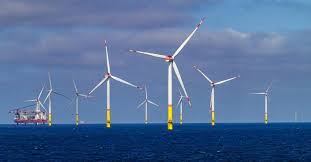
Nine European countries — Belgium, Denmark, France, Germany, Ireland, Luxembourg, the Netherlands, Norway, and the UK — have signed an agreement to construct what is being called the world’s largest clean energy hub in the North Sea. The project, announced at the North Sea Summit in Hamburg in January, aims to generate 100 gigawatts of offshore wind energy, enough to power approximately 50 million homes. The electricity will be connected across participating nations through high-voltage subsea cables.
The timing is striking: the deal came just five days after US President Donald Trump, speaking at Davos, mocked wind power and called nations that invest in it “stupid people.” The European agreement was not a direct response to Trump’s remarks, but analysts say it reflects a growing continental push for energy independence from both Russia and the United States.
Europe currently imports nearly 60% of its energy. After cutting its dependence on Russian gas following the 2022 invasion of Ukraine, the bloc shifted heavily toward US liquefied natural gas — with close to 60% of its LNG imports now coming from America. That reliance, experts warn, has left Europe exposed to price volatility and geopolitical pressure, particularly under a Trump administration that has shown willingness to use economic leverage against allies.
Trump’s territorial ambitions over Greenland and Washington’s November 2025 national security strategy — which explicitly framed US energy exports as a tool to “project power” — have further accelerated Europe’s desire to chart an independent energy course.
Wind and solar already generated 30% of the EU’s electricity in 2025, surpassing fossil fuels for the first time. Some analysts note the irony that Trump’s anti-renewables stance may actually be accelerating Europe’s clean energy transition. As Thijs Van de Graaf, associate professor of international politics at Ghent University, put it, Trump is “doing the renewables business a favor.








