
Iran’s Deadly Crackdown: Protests Death Toll Surpasses 7,000 as International Pressure Mounts
AI SUMMARY · SYNTHESIZED FROM 3 SOURCES: Fox News ↗ Reuters ↗ BBC ↗
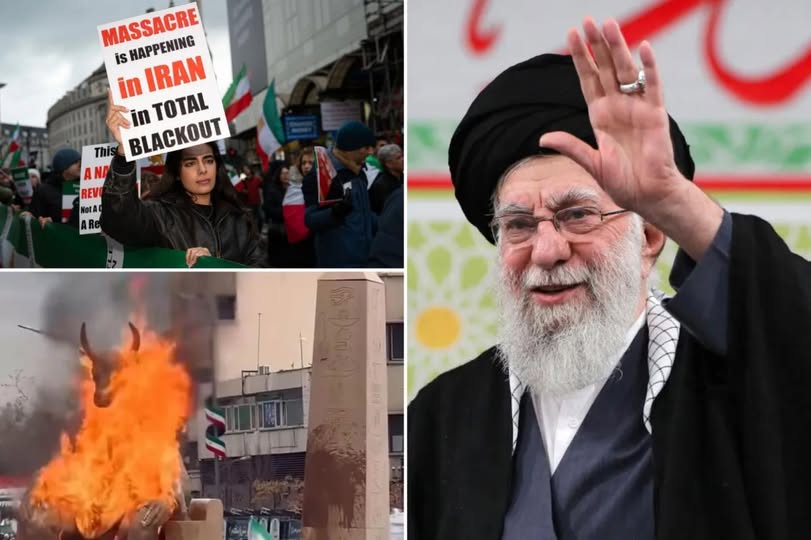
February 12, 2026 – The death toll from Iran’s violent suppression of nationwide demonstrations has now exceeded 7,000 people, according to human rights monitors, marking one of the bloodiest episodes of state violence in the Islamic Republic’s history.
Economic Crisis Sparks Historic Uprising
What began on December 28, 2025, as a merchants’ strike in Tehran’s Grand Bazaar has evolved into the most significant challenge to Iran’s theocratic government since the 1979 Islamic Revolution. The initial catalyst was Iran’s spiraling economic crisis, with the rial plummeting more than 40 percent against major currencies following last year’s brief military conflict with Israel.
However, demonstrators’ demands quickly expanded beyond economic grievances. Protesters across the nation have called for fundamental political change, with some advocating for the end of the Islamic Republic itself.
Contested Death Tolls and Information Blackout
The true scale of casualties remains disputed. The US-based Human Rights Activists News Agency (HRANA) documented at least 7,002 deaths as of February 11, including over 6,400 protesters. Internal Iranian health ministry estimates suggested at least 30,000 people may have been killed during the first two days of the most intense crackdown on January 8-9.
Iranian authorities, meanwhile, report 3,117 deaths, claiming most were security personnel and labeling protesters as “terrorists” backed by foreign powers.
Verification has been severely hampered by an unprecedented internet shutdown implemented on January 8, which continues to restrict communications across the country. This digital blackout has prevented families from confirming loved ones’ safety and obscured the full extent of the violence.
Government Defense and International Condemnation
Iran’s Supreme Leader Ayatollah Ali Khamenei acknowledged that “thousands” died but blamed the United States and Israel for the unrest. On February 11, President Masoud Pezeshkian issued an apology to the nation for the crackdown, though he lacks direct control over security forces.
The international response has been swift. The European Union designated Iran’s Islamic Revolutionary Guard Corps (IRGC) as a terrorist organization. Australia, the United Kingdom, and other nations have imposed targeted sanctions on Iranian officials and entities involved in the suppression.
The United Nations Human Rights Council adopted a resolution condemning the violence and extending mandates for independent investigations. UN Secretary-General António Guterres expressed shock at reports of excessive force.
Diaspora Mobilizes Worldwide
Iranian communities abroad have staged massive solidarity demonstrations across more than 30 countries. Rallies in Toronto drew an estimated 150,000 participants, while 60,000 gathered in Los Angeles. Protesters have waved the pre-revolutionary Lion and Sun flag and called for international intervention.
Reza Pahlavi, son of Iran’s last Shah, has designated February 14 as a “global day of action” and issued six demands for the international community. From his base in the United States, Pahlavi has urged security forces to refuse orders and join the protest movement.
Uncertain Future
As Iran commemorates the 47th anniversary of its Islamic Revolution today, the nation finds itself squeezed between domestic anger over the crackdown and escalating tensions with the United States. President Donald Trump has threatened military strikes if mass executions of arrested protesters proceed, though he ultimately decided against intervention when the regime suppressed the demonstrations without visible fractures within its power structure.
Analysts note that unlike previous protest movements driven primarily by women and youth, the current uprising has drawn participation from traditionally regime-loyal groups, including bazaar merchants who played a crucial role in the 1979 revolution. Demonstrations have also spread to minority-populated regions, including Kurdish and Baloch areas.
The protests have ebbed since their peak in mid-January, but house-to-house searches for participants continue, and tens of thousands remain in detention. Human rights advocates warn that detainees face grave risks of torture and execution.








