
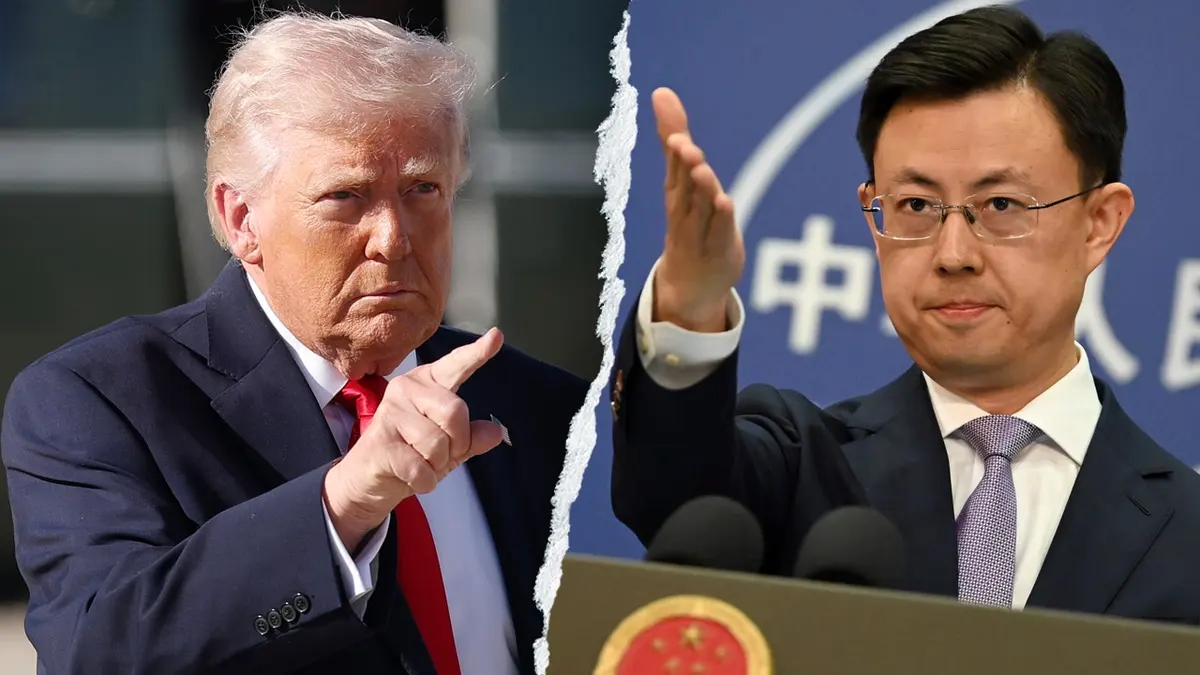
China Condemns U.S. Naval Moves in Strait of Hormuz
AI SUMMARY · SYNTHESIZED FROM 3 SOURCES: Fox News ↗ Reuters ↗ BBC ↗
China’s foreign ministry on Monday criticized recent U.S. naval operations near the Strait of Hormuz, calling what it described as a military blockade a “dangerous and irresponsible move” that risks escalating tensions in a key global transit route. Beijing said the actions undermine regional stability and called for restraint from all parties involved.
The United States says its operations are intended to ensure freedom of navigation and deter attacks on commercial shipping in waters long marked by friction between Tehran and Western powers. The dispute comes amid heightened concerns over maritime security, energy supplies and the potential for miscalculation in a crowded and strategically vital waterway.
Background and history of the issue
The Strait of Hormuz is a narrow chokepoint between the Persian Gulf and the Gulf of Oman that links major oil producers to global markets. Historically, the waterway has been a flashpoint for incidents involving seizures, attacks on tankers and naval confrontations.
Incidents over the past decade have included attacks on commercial vessels, the seizure of tankers, and periodic confrontations between Iran and U.S. forces. These events have prompted international naval patrols and convoy operations intended to protect shipping lanes and deter hostile actions.
Experts say the strait’s significance makes any military presence or blockade-type measure particularly sensitive. Control or disruption of traffic through the strait can have immediate effects on global energy prices and supply chains.
Key facts, figures, and stakeholders
The Strait of Hormuz handles roughly 20 percent of global seaborne oil shipments, transporting millions of barrels per day from Gulf producers to international markets. A disruption would ripple through energy markets and regional economies.
Primary stakeholders in the situation include:
- United States – conducting naval operations it says are defensive and aimed at protecting shipping.
- China – a major importer of Gulf oil that has warned against actions that could threaten commercial traffic.
- Iran – which has long opposed foreign naval presence in the Persian Gulf and the strait.
- Gulf states – including Kuwait, Saudi Arabia and the United Arab Emirates, whose economies depend on unobstructed exports.
- International shipping firms, insurers and global energy markets that face direct impacts from instability.
Analysts note that besides state actors, private companies and international bodies such as the International Maritime Organization have interests in ensuring safe passage and clear rules for maritime conduct.
Reactions
Chinese officials characterized the U.S. operations as provocative and warned they could increase the risk of an unintended military clash. A foreign ministry spokesperson urged all countries to respect maritime rights and resolve disputes through diplomacy and legal channels.
U.S. officials have defended their posture, saying patrols and interdictions are necessary to protect vessels from attacks and to uphold freedom of navigation under international law. They say the presence of U.S. naval assets aims to deter hostile actors rather than to blockade the region.
Regional governments issued cautious statements. Some Gulf states welcomed efforts to secure shipping while calling for de-escalation. Shipping industry groups noted rising insurance premiums and risk warnings for vessels operating near the strait.
Analysts said reactions reflect broader geopolitical competition. Some observers argued that Beijing’s rebuke is partly motivated by concerns over its energy imports and its desire to present itself as a defender of international trade. Others noted that the U.S. response seeks to reassure allies and commercial operators that vital sea lanes will remain open.
Broader implications and what happens next
Security moves in and around the Strait of Hormuz carry wide-reaching implications. A sustained naval blockade or intensified military operations could drive up oil prices, disrupt trade routes, and force shipping companies to reroute vessels at significant cost.
Possible next steps include increased diplomatic engagement, efforts to coordinate multinational maritime patrols, and appeals to international organizations to mediate tensions. Some experts say back-channel talks between capitals could reduce the risk of miscalculation.
Policy options available to stakeholders range from joint security frameworks and confidence-building measures to targeted sanctions or legal challenges in international forums. Each option carries trade-offs between deterrence, escalation risk and long-term stability.
Markets and insurers will be closely watching developments. Even limited incidents can prompt insurers to raise war-risk premiums for vessels transiting the area, which raises costs for shippers and ultimately consumers.
Frequently Asked Questions
What is the Strait of Hormuz and why is it important?
The Strait of Hormuz is a narrow waterway linking the Persian Gulf to the Gulf of Oman and the Arabian Sea. It is a strategic chokepoint through which a significant portion of the world’s seaborne oil exports pass, making it critical to global energy supplies and international trade.
What did China specifically say about the U.S. naval actions?
Chinese officials described the U.S. operations as dangerous and irresponsible and warned that they could escalate tensions in the region. Beijing called for restraint and emphasized the need to protect freedom of navigation and commercial shipping through diplomatic means.
Why is the United States conducting naval operations there?
The United States says its patrols are intended to deter attacks on commercial vessels and to ensure freedom of navigation under international law. U.S. officials argue that a naval presence helps protect maritime traffic from hostile actions and reduces the risk to global energy supplies.
How could these developments affect global markets?
Heightened naval activity or disruptions in the strait can cause immediate volatility in oil prices and raise shipping costs. Insurers may increase premiums for vessels transiting the area, and some shippers could opt for longer, more expensive routes to avoid riskier waters.
What diplomatic steps might reduce tensions?
Possible diplomatic measures include multilateral talks, confidence-building agreements on maritime behavior, and third-party mediation through international organizations. Direct communication channels between military commanders can also help prevent misunderstandings at sea.
Are there legal rules governing naval actions in the strait?
International law, including provisions related to freedom of navigation, provides a framework for conduct in straits used for international navigation. Disputes over specific actions are often handled through diplomatic, legal and multilateral channels to avoid escalation.
Who else is likely to be affected by increased naval tension in the region?
Beyond the immediate states involved, global consumers, shipping companies, insurers and economies dependent on Gulf oil exports could be affected. Regional trade partners and countries with naval assets in the area may also face strategic and operational impacts.
As governments weigh military, diplomatic and economic responses, officials in Beijing, Washington and capitals across the Gulf face a balancing act between demonstrating resolve and avoiding an escalation that could threaten commerce and regional stability. Observers say the coming days will be critical in determining whether tensions ease through negotiation or deepen through continued military posturing.
Featured image: Photo by Kordanalev via Pexels
Disclaimer
The content published on APNews.ai is for informational purposes only. While we strive to ensure accuracy and reliability, we make no guarantees regarding the completeness or timeliness of the information presented. News and facts may change after publication, and APNews.ai is not responsible for any errors or omissions.
Views expressed in opinion pieces are those of the authors and do not necessarily reflect the position of APNews.ai. We are an independent news platform and are not affiliated with the Associated Press or any other news agency unless explicitly stated.
APNews.ai does not endorse any political party, organization, or product mentioned in our coverage. Readers are encouraged to verify information independently. We are not liable for any damages arising from reliance on content published on this platform.








