
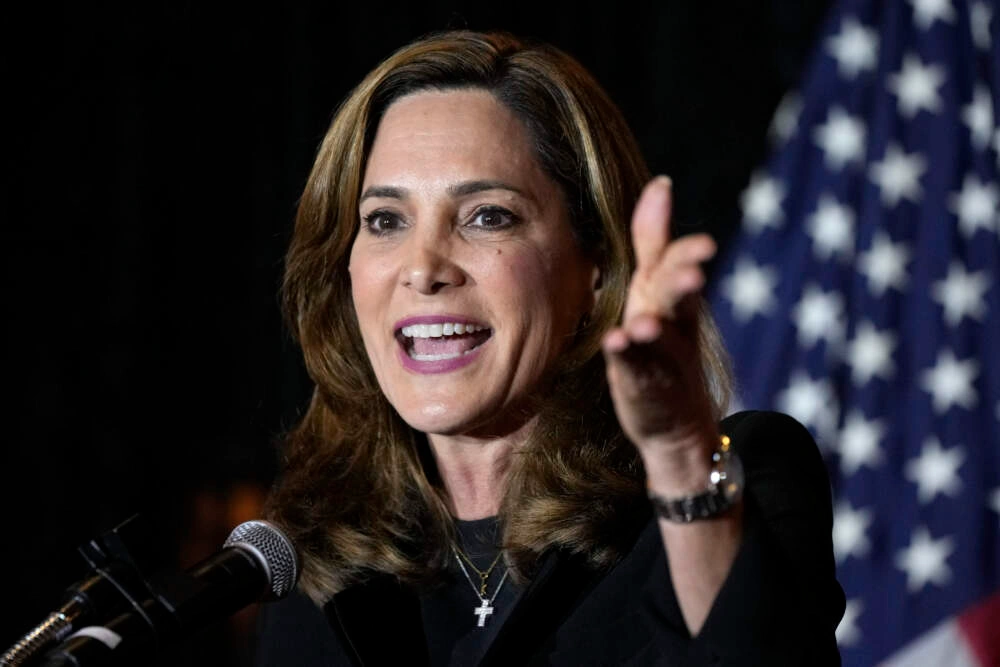
Debate Over Rep. Salazar’s Amnesty Plan Heats Up
Conservative commentators and some Republican lawmakers intensified criticism this week of a proposal backed by Rep. Salazar that would create a pathway to legal status for certain undocumented immigrants. Critics pointed to a locally publicized case known online as the “Maryland Dad” incident as an example they say underscores risks of broad legalization measures.
The exchange underscored a widening divide on immigration policy as lawmakers weigh proposals that supporters call humane and pragmatic and opponents label amnesty. Supporters say legal pathways could improve enforcement and the economy, while detractors warn of consequences they link to public safety and labor market effects.
Background and history of the issue
Immigration reform and debates over so-called amnesty have been recurring themes in U.S. politics for decades. Lawmakers have periodically proposed measures to grant legal status, temporary work permits, or a path to citizenship for undocumented immigrants who meet certain criteria.
Rep. Salazar recently put forward legislation described by backers as a targeted pathway to legal status for immigrants who have lived in the United States for a period of time, paid taxes, passed background checks and met other requirements. Supporters frame the bill as a way to bring millions out of the shadows and strengthen enforcement by focusing resources on criminal offenders and those posing national security threats.
Opponents, including libertarian and conservative commentators, argue that any broad legal status program constitutes amnesty and could encourage more unauthorized migration. They also point to individual criminal cases and other high-profile incidents to argue that the proposed measures would reduce incentives for strict enforcement.
Key facts, figures and stakeholders
The national discussion over immigration often centers on several recurring data points and groups affected by policy changes.
- Size of undocumented population – Estimates from research organizations vary but typically range near 10 to 12 million people living in the United States without lawful status.
- DACA and other programs – Programs such as Deferred Action for Childhood Arrivals protect some groups from deportation and authorize work permits for eligible recipients. The number of DACA recipients has fluctuated and stood in the several hundred thousand range in recent years.
- Border encounters – Encounters at the U.S. southern border have risen and fallen over time, often driving short-term policy responses and political attention to immigration enforcement.
Key stakeholders include immigrant advocacy groups, law enforcement agencies, business groups that rely on immigrant labor, conservative and progressive policy organizations, and elected officials across the political spectrum.
Rep. Salazar framed his proposal as a legislative compromise aimed at addressing labor needs and the realities of long-standing populations of undocumented immigrants. Critics say the bill falls short on enforcement and threatens public safety and rule of law.
Reactions
Reactions have been mixed and strongly divided along political lines. Supporters of the bill argue it would bring economic benefits and reduce the number of people living without lawful documentation.
Analysts say legalization tends to produce a mix of outcomes, including higher tax revenues from newly documented workers and integration benefits, while also prompting concerns about short-term impacts on low-wage labor markets in some sectors.
Conservative voices such as commentator Will Chamberlain have criticized the measure, citing specific local incidents like the online-circulated “Maryland Dad” case to argue the bill is misguided. Proponents counter that individual cases should not determine national policy and that background checks and other safeguards are built into the proposal.
Immigrant rights organizations called criticism that focuses on isolated incidents misleading. Officials noted that most studies find that immigrants – including undocumented immigrants – commit crimes at lower rates than native-born populations, although criminal justice experts emphasize the importance of rigorous data and localized analysis.
Broader implications and what happens next
If the bill gains traction in committee or on the House floor, it could prompt negotiations over amendments addressing enforcement, eligibility criteria and funding for implementation. Legislative calendars, competing priorities and the narrow margins in Congress could affect prospects for passage.
Policy specialists say several broader implications would shape the debate:
- Enforcement trade-offs – Lawmakers will likely debate what enforcement provisions constitute sufficient deterrence and how to allocate immigration enforcement resources.
- Labor market effects – Economists will evaluate how legalization affects wages, employment and business operations, particularly in agriculture, construction and hospitality sectors.
- Political dynamics – The issue could influence swing voters in certain districts and shape narratives ahead of upcoming elections.
State and local officials may also react. Some states have passed laws limiting cooperation with federal immigration enforcement or enacted measures to support immigrant integration. Others have prioritized stricter enforcement at the state level.
Analysis
Analysts say the policy debate shows how individual stories can be amplified in public discourse to influence opinions on large-scale policy. Use of a local incident, such as the so-called “Maryland Dad” story, is a rhetorical strategy that can make abstract policy proposals feel immediate and personal.
Policy experts advise evaluating proposals on the basis of rigorous data about immigration flows, fiscal effects, labor market dynamics and public safety statistics. They note that trade-offs are inevitable and that different priorities – humanitarian, economic or enforcement-focused – will shape any final policy.
Frequently Asked Questions
What does Rep. Salazar’s proposal aim to do?
The legislation promoted by Rep. Salazar is described by supporters as creating a pathway to legal status for certain undocumented immigrants who meet specified criteria such as residence duration, tax compliance and background checks. The exact language and eligibility conditions would be determined through the legislative process.
Why are critics using the “Maryland Dad” case to argue against the bill?
Critics often point to individual incidents that received public attention to argue that legalizing large groups of undocumented immigrants could create public safety risks. Advocates for the bill say individual cases should not dictate broad policy and that safeguards like criminal background checks are part of the proposal.
How many people could this bill affect?
Projections depend on the eligibility criteria set in the final bill. Broad pathways that require extended residence and tax history could affect millions. Independent analyses and government estimates would be used to calculate potential impacts once bill text is finalized.
What are the economic arguments for and against legalization?
Supporters argue legalization increases tax revenues, labor market stability and economic integration. Opponents worry about downward pressure on wages in certain low-skilled sectors and potential short-term fiscal costs. Economists say outcomes vary by program design and local conditions.
How would the bill affect immigration enforcement?
Proponents say a legal pathway could allow enforcement resources to focus on criminals and national security threats. Opponents argue that granting legal status could reduce enforcement incentives and create loopholes. The bill’s enforcement provisions would be central to negotiations.
What are the next steps for the legislation?
Next steps include potential committee hearings, markups, amendments and votes in the House and possibly the Senate. Political support, committee assignments and competing legislative priorities will influence the timeline and likelihood of passage.
How do public opinion and advocacy groups shape this debate?
Public opinion polls, advocacy campaigns and business lobbying all play roles in shaping congressional action. Advocacy groups on both sides mobilize supporters, fund public messaging and press lawmakers to adopt or oppose specific provisions.
As debate continues, lawmakers and stakeholders are likely to focus on data-driven analysis and negotiations over enforcement and eligibility details. The public conversation is expected to remain heated as both supporters and critics seek to shape the narrative around immigrants, public safety and economic impacts.
Featured image: Photo by Mikhail Nilov via Pexels
Disclaimer
The content published on APNews.ai is for informational purposes only. While we strive to ensure accuracy and reliability, we make no guarantees regarding the completeness or timeliness of the information presented. News and facts may change after publication, and APNews.ai is not responsible for any errors or omissions.
Views expressed in opinion pieces are those of the authors and do not necessarily reflect the position of APNews.ai. We are an independent news platform and are not affiliated with the Associated Press or any other news agency unless explicitly stated.
APNews.ai does not endorse any political party, organization, or product mentioned in our coverage. Readers are encouraged to verify information independently. We are not liable for any damages arising from reliance on content published on this platform.