ICC Warrants for Putin: Background and Global Impact
AI SUMMARY · SYNTHESIZED FROM 3 SOURCES: Fox News ↗ Reuters ↗ BBC ↗
The International Criminal Court issued arrest warrants in March 2023 for Russian President Vladimir Putin and Russia’s commissioner for children’s rights, alleging the unlawful deportation and transfer of children from Ukraine. The move marks a rare instance in which the court has sought to hold a sitting head of state accountable on charges related to an ongoing conflict.
The warrants, requested by ICC Prosecutor Karim Khan and approved by judges on March 17, 2023, intensified debate about the court’s authority, the practical hurdles to enforcement and the broader implications for international law and diplomacy in the Ukraine war. The warrants have not led to arrests and enforcement depends on cooperation from states.
Background and history of the issue
The International Criminal Court, based in The Hague, was established by the Rome Statute to investigate and try individuals for genocide, war crimes, crimes against humanity and aggression. Russia signed but did not ratify the Rome Statute and formally withdrew its signature in 2016. Ukraine also is not a party to the treaty but accepted ICC jurisdiction for alleged crimes occurring on its territory.
In the months after Russia’s large-scale invasion of Ukraine in February 2022, investigators and human rights organizations documented the movement of children from Ukrainian territory into areas controlled by Russian forces and into Russia. Ukrainian officials and some international bodies described those transfers as systematic and forcible in some cases, prompting the ICC prosecutor to seek arrest warrants.
Key facts, figures and stakeholders
The court’s pre-trial chamber found that there were reasonable grounds to believe that the alleged conduct met the legal threshold for unlawful deportation and transfer of children, which can constitute a war crime or a crime against humanity depending on context. The warrants cover both the alleged actions themselves and the responsibility of senior officials for facilitating those actions.
- Date of warrants: March 17, 2023.
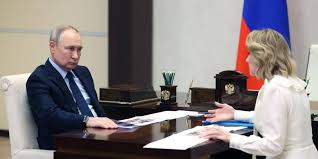
- People named: President Vladimir Putin and Maria Lvova-Belova, Russia’s presidential commissioner for children’s rights.
- Allegations: Unlawful deportation or transfer of Ukrainian children from occupied territory to Russia or Russian-controlled areas.
- Prosecutor: Karim Khan, ICC Chief Prosecutor.
Key stakeholders include the ICC, Ukraine, Russia, states that are parties to the Rome Statute, human rights groups and nations weighing diplomatic relations with Russia. Enforcement of ICC warrants depends critically on states that are ICC members detaining and surrendering suspects, or on extraordinary developments that could bring suspects into ICC jurisdiction.
Reactions
Officials and analysts offered a range of responses. Ukrainian leaders welcomed the warrants as recognition of harms done and a step toward accountability. International human rights organizations said the action underscored documented abuses and the need to protect children in conflict zones.
Russian authorities dismissed the warrants as politically motivated and said they would not cooperate with the court. Analysts noted that because Russia is not a party to the Rome Statute and has no obligation to hand over its own leaders, the practical effect within Russian-controlled areas is limited.
Some governments of ICC member states expressed support for the court’s work while acknowledging the limits of enforcement. Legal scholars highlighted complex questions over immunity for serving heads of state and the precedent set by bringing charges against a major world leader.
Broader implications and what happens next
The issuance of the warrants has several immediate and longer-term implications. In the short term, they complicate travel for the individuals named; many ICC member states would face legal and political pressure to arrest them if they set foot on their territory. The warrants also signal to victims and to the international community that alleged crimes are being formally investigated.
In practical terms, prosecutions at the ICC often take many years and rely on state cooperation. Observers point out several possible paths forward:
- Arrest and surrender by a third country – unlikely while suspects remain within Russia or allied areas.
- Change of circumstances within Russia – such as political upheaval – that could make surrender feasible.
- Ad hoc arrangements – for example, international negotiations that include surrender provisions, though such outcomes are rare.
Legal experts stress that the issuance of a warrant itself does not equate to guilt. The ICC will need to build a case that meets the high standards of proof required at trial, and defense arguments on jurisdiction and immunity may extend proceedings. Nonetheless, supporters argue that taking steps to document and prosecute alleged crimes helps deter future violations and contributes to the historical record.
Frequently Asked Questions
What exactly did the ICC allege in the warrants?
The ICC alleged that there were reasonable grounds to believe that Ukrainian children were unlawfully deported or transferred from occupied territories to Russia or areas under Russian control. The court’s pre-trial chamber found sufficient basis to issue arrest warrants for the individuals named regarding those allegations.
When were the arrest warrants issued?
The warrants were approved by ICC judges on March 17, 2023, after the prosecutor requested them earlier the same month. The requests followed investigations into reports of child transfers during the Russia-Ukraine conflict.
Can the ICC enforce the warrants in Russia?
Russia is not a party to the Rome Statute and has said it will not cooperate with the ICC, so the court cannot compel Russian authorities to surrender suspects. Enforcement depends on cooperation from ICC member states or changes in circumstances that would bring suspects into ICC jurisdiction.
Do heads of state have immunity from ICC prosecution?
The ICC operates on the principle that official capacity does not exempt individuals from criminal responsibility for international crimes. However, competing claims of immunity in national courts and the politics of enforcement can create complex legal disputes.
What are the chances the suspects will be tried?
Trials at the ICC can take many years and require substantial evidence and state cooperation. While the warrants allow the court to pursue indictments, the practical prospects for trial depend on whether suspects can be arrested and surrendered to The Hague.
How does this affect victims and accountability efforts?
The warrants are seen by many advocates as an important step toward accountability and recognition of victims’ suffering. They also contribute to documentation and may bolster other legal and investigative efforts by international bodies and national jurisdictions.
Conclusion
The ICC warrants for President Vladimir Putin and Maria Lvova-Belova represent a significant development in international criminal law and in the global response to alleged abuses during the Ukraine conflict. While the legal and political obstacles to enforcement are substantial, the warrants underscore ongoing efforts to investigate and pursue accountability for serious violations. What follows will depend on diplomatic choices, potential changes inside Russia and the continued work of investigators and courts to test the allegations in open legal proceedings.
Disclaimer
This blog is for informational and educational purposes only and does not constitute medical advice, diagnosis, or treatment. The content provided is based on general health information and research available as of the publication date. Individual health conditions vary, and what works for one person may not be appropriate for another.
Always consult with a qualified healthcare provider before starting any new treatment, including testosterone replacement therapy (TRT), making changes to existing treatments, or if you have questions about your specific health condition. Never disregard professional medical advice or delay seeking it because of information you read on this blog.
If you are experiencing a medical emergency, call 911 or your local emergency services immediately. The information on this website does not create a doctor-patient relationship and should not be used as a substitute for professional medical advice, diagnosis, or treatment.