Spurs Poised to Rebound in Game 2 vs. Knicks
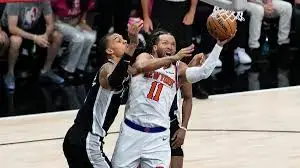
The San Antonio Spurs are widely expected to rebound in Game 2 of their first-round series against the New York Knicks after blowing a late lead in the series opener earlier this week. The loss in Game 1 left the Spurs searching for answers on how to close out tight contests against a veteran Knicks roster.
Coaches, players and analysts pointed to late-game execution and defensive lapses as the deciding factors in the opener. With Game 2 looming, the Spurs enter a short turnaround and are expected to make tactical adjustments to restore momentum in the series.
Background and playoff history
The Spurs and Knicks meet amid the opening rounds of the NBA postseason, where single-game swings can dictate the tone for the rest of a series. San Antonio has been building a young core in recent seasons while trying to regain consistent playoff traction.
New York entered the series with a reputation for late-game poise after a regular season in which veteran leadership often influenced close outcomes. That experience became a decisive factor in the opener, when the Knicks were able to capitalize down the stretch.
Key facts, figures and stakeholders
The Spurs surrendered a late lead in Game 1, a moment that highlighted several tactical areas for improvement. Ball security, perimeter defense and free-throw management were among the immediate concerns cited by observers following the loss.
Stakeholders in the matchup include the teams’ coaching staffs, frontline players who are expected to shoulder scoring and defensive responsibilities, and bench units that will be asked to provide timely contributions. Playoff rotations often shorten, making each player’s assignment more critical during pivotal stretches.
Analysts noted a few recurring themes from the opener that could shape Game 2 planning:
- Late-game decision making – who holds the ball and how possessions are executed in final minutes.
- Defensive matchups – managing pick-and-roll coverages and ball-screen responses.
- Bench production – bench scoring and maintaining intensity when starters rest.
Reactions and early adjustments
Team officials and league observers stressed that early playoff losses are rarely fatal but can be costly if not promptly addressed. Analysts say the Spurs have options to alter matchups and tweak rotations to reduce risk in crunch time.
Opposing coaches and pundits highlighted the Knicks’ composure late in Game 1, noting that veteran players made high-percentage plays and free throws under pressure. Analysts also pointed to the Knicks’ ability to force turnovers at key moments as a difference maker.
From the Spurs’ viewpoint, public statements after the opener emphasized accountability and focus rather than panic. Team strategists are expected to examine film, identify breakdowns and emphasize simpler offensive sets to limit turnovers in late possessions.
What to watch in Game 2
Game 2 will offer the Spurs a chance to show a rapid response. Observers will watch for several concrete changes that could alter the series trajectory:
- Rotation tweaks – changes in minutes for defensive specialists or bench scorers to counter the Knicks’ late-game lineup.
- Closer assignment – identifying which player is entrusted to take the final shots and how teammates create space for that option.
- Defensive emphasis – more aggressive closeouts on shooters and tighter coverage in the paint to contest shots and limit offensive rebounds.
Special teams factors – such as free-throw shooting and avoiding foul trouble – are likely to be emphasized by coaching staffs. In playoff basketball, small margins in these areas often decide games.
Broader implications and series outlook
If the Spurs win Game 2, the series is likely to return to an even footing and will hinge on adjustments and how well each team executes in high-leverage minutes. A Spurs victory in Game 2 could restore confidence in their young pieces and validate strategic changes made after the opener.
Conversely, a second straight win by the Knicks would put San Antonio on the back foot and force the Spurs into a tougher path to the later rounds. Momentum shifts early in a series tend to influence coaching strategies, minute distributions and player psychology.
League analysts say the series could become a showcase for coaching chess matches, especially in late-game scenarios. The ability to manage timeout usage, substitutions and matchup exploitation will be under close scrutiny throughout the remainder of the opening round.
Frequently Asked Questions
When is Game 2 scheduled?
Game 2 is scheduled for the next matchup in the opening-round series, following the series opener. Exact date and start time are set by the league schedule and should be confirmed through official team or league sources.
What were the main reasons the Spurs lost Game 1?
Observers pointed to late-game execution issues, including turnovers and defensive lapses, as the primary factors. The Knicks capitalized on those moments and made key plays in the closing minutes to win the opener.
Which areas will the Spurs likely adjust for Game 2?
Projected adjustments include rotation changes to improve defense, simplifying offensive sets to limit turnovers, and designating clear options for late possessions. Coaches may also alter matchups to neutralize the Knicks’ veteran scorers.
Who are the key players to watch in the series?
Key players are typically frontline scorers and defensive anchors on both teams, plus bench contributors who can change momentum. Analysts will monitor who is making clutch plays and which defenders are slowing opposing scorers.
How important is home-court advantage in this series?
Home-court advantage can influence the atmosphere, officiating perception and comfort levels for each team, especially late in close games. In a short series, securing home wins is often a crucial component of advancing.
What happens if the Spurs lose Game 2?
A loss in Game 2 would put the Spurs further behind in the series and increase pressure on upcoming games. The team would likely need to make more significant tactical or rotation changes to remain competitive.
Conclusion
With Game 2 approaching, the Spurs face a clear test of resilience and adaptability. After blowing a late lead in the opener, the team has an opportunity to respond quickly through tactical adjustments and improved late-game execution. How the Spurs handle those moments will shape not only the next game but the broader complexion of the series.
Featured image: Photo by Chris Harvey via Pexels
Disclaimer
The content published on APNews.ai is for informational purposes only. While we strive to ensure accuracy and reliability, we make no guarantees regarding the completeness or timeliness of the information presented. News and facts may change after publication, and APNews.ai is not responsible for any errors or omissions.
Views expressed in opinion pieces are those of the authors and do not necessarily reflect the position of APNews.ai. We are an independent news platform and are not affiliated with the Associated Press or any other news agency unless explicitly stated.
APNews.ai does not endorse any political party, organization, or product mentioned in our coverage. Readers are encouraged to verify information independently. We are not liable for any damages arising from reliance on content published on this platform.