
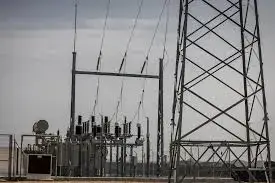
Heat wave strains U.S. power grids, spurs emergency steps
A prolonged heat wave sweeping large swaths of the United States this summer pushed electricity systems toward capacity limits, prompting utilities and grid operators to issue conservation alerts and activate emergency measures. Officials said high temperatures and sustained demand for air conditioning forced some utilities to implement rolling outages and open community cooling centers to protect public health and system reliability.
The surge in electricity use highlighted long-standing vulnerabilities in the nation s power system, including aging infrastructure, tight reserve margins and the challenges of integrating intermittent renewable energy. Analysts and officials said the episode underscored the need for accelerated investment in grid resilience and expanded demand-response programs.
Background and history of the issue
Heat waves and extreme heat events have grown more frequent and intense in recent decades, a trend that climate scientists link to warming global temperatures. As temperatures climb, residential and commercial demand for cooling rises, creating higher peak electricity loads during daytime and early evening hours.
At the same time, the U.S. power grid has been undergoing a complex transition. Utilities and system planners are adding large amounts of solar and wind generation while retiring some fossil-fuel plants. Those changes can reduce overall emissions and operating costs but also increase the importance of flexible resources such as energy storage and demand response to meet sharp spikes in demand.
Regulatory and investment decisions made over years affect how well systems cope with extreme conditions. Industry groups and federal agencies have repeatedly warned that without upgrades to transmission lines, distribution systems and reserve capacity, heat-driven demand peaks can raise the risk of service interruptions.
Key facts, figures, and stakeholders
Utilities, regional grid operators and state energy agencies were the principal stakeholders managing the response. Key elements of the situation included:
- Demand surges – Prolonged high temperatures led to sustained increases in electricity consumption, particularly from air conditioning.
- Grid operators – Regional entities responsible for maintaining reliability issued conservation appeals and emergency alerts to balance supply and demand.
- Utilities – Some companies implemented temporary rolling outages or voltage reductions to prevent uncontrolled blackouts and to protect critical infrastructure.
- Public health officials – Local governments opened cooling centers and urged residents, especially vulnerable populations, to take precautions against heat illness.
- Market signals – Wholesale electricity prices spiked in some regions as operators secured additional generation and grid-support services.
Analysts noted several contributing factors beyond weather. These included maintenance backlogs on aging equipment, supply constraints for natural gas-fired generators at peak times, and limits on the ability of solar generation to supply power during evening demand peaks when the sun sets and people return home and turn on cooling systems.
Reactions
Utilities urged customers to reduce nonessential electricity use during peak hours, asking residents to raise thermostats by a few degrees and to delay use of major appliances. Some utilities offered incentives for customers enrolled in demand-response programs to shift or curtail usage during high-demand periods.
Officials noted that emergency measures were taken primarily to avoid wider, uncontrolled blackouts. Analysts said the steps were appropriate but highlighted that repeated reliance on emergency actions points to structural problems that require policy and investment responses.
Advocacy groups for low-income households and older adults called for expanded outreach and support, saying heat and power interruptions disproportionately affect people with limited resources and those who rely on electrically powered medical devices. Some local officials criticized utilities for not communicating more proactively about outage risks and response plans.
Broader implications and what happens next
The episode put renewed focus on several policy and investment priorities. Federal and state regulators, utility executives and grid planners are likely to consider measures such as:
- Investing in transmission and distribution upgrades to reduce bottlenecks and improve resilience.
- Expanding energy storage deployment to provide power during evening peaks and to smooth variability from renewable sources.
- Enhancing demand-response programs and time-varying pricing to encourage customers to shift consumption away from peak periods.
- Improving coordination between natural gas suppliers and electric operators to ensure fuel availability during peak demand.
- Strengthening emergency preparedness for vulnerable populations, including more cooling centers and targeted assistance.
Experts said longer-term planning should account for the changing climate and the likelihood of more frequent extreme heat events. Analysts added that while shifting to cleaner generation is crucial to reduce greenhouse gas emissions, that transition must be accompanied by investments in system flexibility and reliability.
Federal agencies and industry groups may also pursue updates to reliability standards and incentives for utilities to accelerate grid modernization. State legislators could consider policies to support distributed energy resources such as rooftop solar with storage and to expand programs that compensate customers for providing flexibility to the grid.
Frequently Asked Questions
Why do heat waves cause power problems?
Heat waves increase electricity demand, mainly because more people use air conditioning. High demand can push grid operators to the limits of available generation and transmission capacity, especially if other factors such as maintenance outages or fuel supply constraints reduce available resources.
What is a rolling outage and why is it used?
A rolling outage is a controlled, temporary shutdown of power to limited areas for short periods to reduce overall demand. Utilities use rolling outages to prevent broader, uncontrolled blackouts that would affect larger areas for longer durations.
How can customers reduce the risk of outages?
Customers can help by reducing nonessential electricity use during peak hours, raising thermostats a few degrees, using fans, and avoiding use of appliances such as dishwashers and clothes dryers during peak times. Enrolling in utility demand-response programs can also provide incentives to shift usage.
What role does renewable energy play in this mix?
Renewables like solar and wind reduce emissions but produce variable output. Solar can provide abundant daytime energy but declines in the evening when demand often remains high. Energy storage and flexible resources are needed to bridge that gap and support reliability during peak demand.
Are there long-term solutions to prevent these problems?
Long-term solutions include upgrading transmission and distribution infrastructure, deploying energy storage, expanding demand-response programs, and ensuring adequate reserve generating capacity. Policies that integrate climate risk into planning can help make the grid more resilient to extreme weather.
Who is responsible for ensuring grid reliability?
Grid reliability is a shared responsibility among utilities, regional grid operators, state regulators and federal agencies. Each plays a role in planning, operation and regulation to maintain reliable and safe electricity service.
The heat-driven stress on electricity systems served as a reminder of the interdependence between climate trends and energy infrastructure. Officials said the immediate emergency steps helped avoid larger blackouts, but they and analysts agreed that targeted investments and updated planning approaches will be needed to reduce the risk of future emergencies and to protect vulnerable communities.
Disclaimer
This blog is for informational and educational purposes only and does not constitute medical advice, diagnosis, or treatment. The content provided is based on general health information and research available as of the publication date. Individual health conditions vary, and what works for one person may not be appropriate for another.
Always consult with a qualified healthcare provider before starting any new treatment, including testosterone replacement therapy (TRT), making changes to existing treatments, or if you have questions about your specific health condition. Never disregard professional medical advice or delay seeking it because of information you read on this blog.
If you are experiencing a medical emergency, call 911 or your local emergency services immediately. The information on this website does not create a doctor-patient relationship and should not be used as a substitute for professional medical advice, diagnosis, or treatment.