Hegseth Calls to End Military Flu Vaccine Requirement
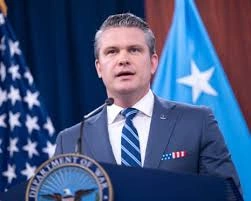
Fox News host Peter Hegseth this week urged an end to the U.S. military’s annual influenza vaccine requirement, saying the mandate should be reconsidered for service members. His public appeal, made during a broadcast segment and amplified on social media, reignited debate over vaccination policy within the armed forces.
The call drew swift attention from military and medical observers, who noted that any change to immunization policy would involve the Department of Defense and medical advisers. For now, the Pentagon has not announced any formal policy shift in response to Hegseth’s remarks.
Background and history of the issue
The U.S. military has long required certain vaccinations for service members to maintain force health and unit readiness. Seasonal influenza vaccination has been part of that framework for many units and installations, with branches issuing annual guidance tied to public health recommendations.
The Department of Defense typically requires annual flu shots for most active duty personnel, while allowing medical and, in some cases, administrative exemptions. The policy aims to reduce outbreaks that can degrade mission capability, particularly in close-quarter settings such as ships, barracks and forward operating bases.
Vaccine policy within the military drew national scrutiny during the COVID-19 pandemic, when requirements for coronavirus vaccination resulted in legal challenges, administrative actions and changes in personnel status for some service members. That experience left an imprint on how vaccination mandates are perceived and debated across the force.
Key facts, figures and stakeholders
Decisions about military vaccination policy involve multiple stakeholders, including military medical directors, service secretaries, the Joint Chiefs of Staff and civilian public health authorities.
- Military medical authorities recommend vaccinations to protect individual service members and preserve operational readiness.
- Senior defense leaders set policy based on medical advice, force requirements and legal considerations.
- Congress oversees military health policy and can exert influence through hearings and legislation.
Public health experts note that seasonal influenza causes thousands of hospitalizations and deaths in the United States each year, and that vaccination can reduce those impacts. Within the military, outbreaks have historically interrupted training cycles and temporarily sidelined personnel during peak seasons.
Any proposed change to a vaccination requirement would need to account for exemption processes, supply logistics and record-keeping systems that track immunizations across the services.
Reactions
Analysts say Hegseth’s announcement tapped into broader debates about individual choice, medical authority and military readiness. Some conservative commentators and service members sympathetic to that viewpoint praised the call for reassessing mandates.
Officials and health professionals urged caution. Military medical advisers and public health analysts noted that vaccination requirements derive from long-standing efforts to limit communicable disease risk in closely knit units and during deployments. They warned that removing a requirement could raise the risk of outbreaks in settings where social distancing is not feasible.
Legal experts pointed out that service secretaries and the secretary of defense set immunization policy for the armed forces, and that public calls by media figures do not, on their own, change official rules. Courts have previously addressed aspects of vaccine mandates, particularly during the pandemic, which has shaped how future disputes might be litigated.
Broader implications and what happens next
If Defense Department leaders were to consider a policy change, the process would likely include internal medical reviews, legal analysis and consultations with service chiefs. Policy changes of this nature are typically documented in formal directives and accompanied by guidance on exemptions and implementation timelines.
Potential implications of ending a requirement include:
- Increased reliance on voluntary vaccination programs and educational outreach.
- Possible variations in vaccination rates across units and installations, affecting local outbreak risk.
- Operational considerations for deployments and shipboard life, where influenza transmission can be rapid.
Some defense officials may weigh the potential benefits of increased individual choice against the military’s obligation to maintain a medically ready force. Congressional oversight could become a factor if lawmakers view any change as bearing on national security or service member welfare.
Health experts emphasized that vaccination is one tool among many – including surveillance, testing, antiviral treatments and nonpharmaceutical interventions – to manage influenza risk. They added that decisions should rest on epidemiological data and the balance of risks and benefits for service populations.
Frequently Asked Questions
Did Peter Hegseth have the authority to end the military flu vaccine requirement?
No. Peter Hegseth is a media commentator and does not have the authority to change Department of Defense policy. Only defense officials, including service secretaries and the secretary of defense, can adopt or rescind military immunization requirements.
Is the flu vaccine currently mandatory for all service members?
Currently, the Department of Defense requires seasonal influenza vaccination for most active duty personnel, though policies can vary by service and allow for documented medical or administrative exemptions. Specific rules are set by the services based on DOD guidance.
What would be the main reasons the military mandates flu vaccines?
The principal reasons are to protect service members from illness, limit outbreaks that could disrupt missions, and maintain overall force readiness. Vaccinations are part of a broader preventive medicine strategy in military settings.
How do exemption processes work?
Exemptions typically include medical contraindications documented by military medical personnel. Some services also consider administrative or, in limited circumstances, religious accommodations, which are reviewed under established procedures.
Could Congress influence a change to vaccine policy?
Yes. Congress oversees defense policy and can hold hearings, request briefings, or pass legislation that affects military health rules. However, day-to-day immunization decisions remain within the executive branch and military chain of command.
What do public health experts say about removing such requirements?
Many public health experts caution against removing vaccination requirements without strong epidemiological justification, noting that vaccines help reduce severe illness and limit spread in group environments. They recommend data-driven reviews and contingency planning if policy changes are considered.
Conclusion
Hegseth’s public call to end the military flu vaccine requirement reopened a longstanding conversation about the balance between individual choice and collective readiness. Any formal change would require deliberation by military and civilian authorities, informed by medical evidence and operational needs. For now, the requirement remains under the purview of defense leadership and professional medical advisers.
Featured image: Photo by Pavel Danilyuk via Pexels
Disclaimer
The content published on APNews.ai is for informational purposes only. While we strive to ensure accuracy and reliability, we make no guarantees regarding the completeness or timeliness of the information presented. News and facts may change after publication, and APNews.ai is not responsible for any errors or omissions.
Views expressed in opinion pieces are those of the authors and do not necessarily reflect the position of APNews.ai. We are an independent news platform and are not affiliated with the Associated Press or any other news agency unless explicitly stated.
APNews.ai does not endorse any political party, organization, or product mentioned in our coverage. Readers are encouraged to verify information independently. We are not liable for any damages arising from reliance on content published on this platform.